Ys The Oath In Felghana Cheat Engine . Ys the oath in felghana. Log in to add custom notes to this or any other game. Русификатор для Ys The Oath in Felghana скачать from reliz.org Successfully complete the game to unlock a new costume for elena. The oath in felghana pc. You will find this information on the game card in.
Engine Size Formula 1. Formula 2 cars were allowed. Those changes led to an increase in the size of the tyres of around 25 per cent, rising from 245mm to 305mm in width at the front and 325mm to 405mm at the rear in 2017.
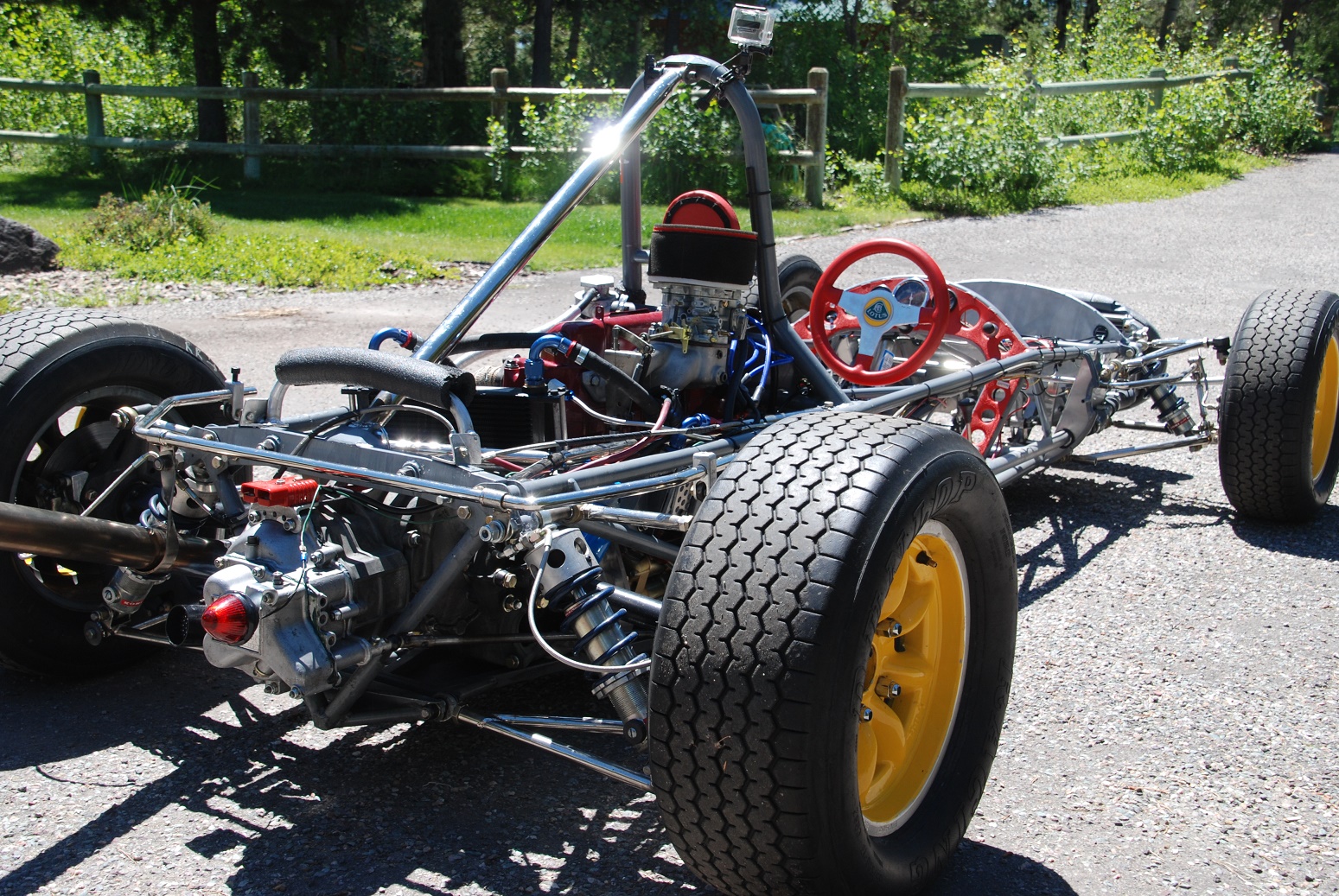
1968 Lotus 51 Formula Ford Paddock 42 from www.paddock42.com
The faster these engines spin, the more power they produce. The amount of power generated by an engine in a formula one racing car is beyond comparison to average passenger cars. There is no specified number for maximum length, but all cars tend to be of almost the same length.
“The Mercedes Is Over 5.7 Metres Long, It’s Two Metres Wide,” Says.
Formula 1 engine evolution is about more than size. To learn more about new 2014 rule change and new formula 1 power units and ers system follow this link. 23 mount erin rd, blair athol nsw 2560, australia +61 2 9607 2299
This Contrasts With Road Car Engines Of A Similar Size Which.
Let's dive in and look at the actual power produced by. What engines are used in formula 1? Cosworth opens up its grand prix motor.
F1 Cars Can Spin At 15000 To 22000 Rpms.
The advances on formula one. For one example, the mercedes w11,. For the current engines, it is estimated that they have around 1000hp.
To Put It Into Perspective, Your Regular Car Has About 180 And 200 Hp, And Supercars Usually Have More Than 500 Hp.
Honda’s 2021 formula 1 engine is smaller than the “size zero” concept pursued in its mclaren days, and has been achieved by an extensive redesign. Those changes led to an increase in the size of the tyres of around 25 per cent, rising from 245mm to 305mm in width at the front and 325mm to 405mm at the rear in 2017. The rpm directly affects the torque and horsepower of an engine.
Formula 2 Cars Were Allowed.
When an f1 car gets up to speed, the energy. The smaller engine also meant the cars could be much lighter as there was a 50% power increase compared to the. The faster these engines spin, the more power they produce.


Comments
Post a Comment